
 By
By 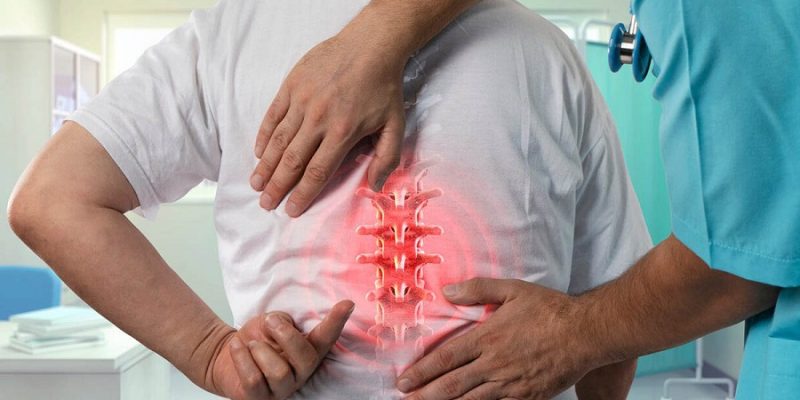
Key Takeaways
- Minimally invasive techniques are revolutionizing pain management by reducing recovery times and minimizing opioid use.
- Innovations such as endoscopic spine surgery and neuromodulation devices offer effective alternatives to traditional methods.
- Emerging technologies such as MRI-powered capsule robots and magnetic millirobots are enhancing the precision and efficacy of pain-relief procedures.
Table of Contents
- Introduction
- Endoscopic Spine Surgery
- Neuromodulation Devices
- MRI-Powered Capsule Robots
- Magnetic Millirobots
- Minimally Invasive Biologic Therapies
- Pharmacological Innovations
- Conclusion
Introduction
Chronic pain is a significant health issue affecting millions across the globe. People living with persistent discomfort often find their daily activities restricted and their quality of life diminished. Traditional pain management has heavily relied on medications, especially opioids, leading to concerns around dependency and unwanted side effects. Today, a new era of pain relief has arrived, thanks to minimally invasive procedures that prioritize patient safety and effective outcomes. Individuals seeking state-of-the-art care for chronic pain can explore options in pain management Jacksonville, FL, for guidance and support.
These recent innovations are transforming the landscape of pain treatment by offering faster recovery, fewer complications, and significantly reduced opioid consumption. Patients now have access to therapies that address pain at its source, using advanced technologies for more targeted relief. Minimally invasive approaches help avoid large incisions and reduce trauma to tissues, which translates to quicker returns to everyday life for many patients. Techniques that leverage cutting-edge tools and biologic treatments are gaining ground as preferred strategies in both acute and chronic pain scenarios.
The field is moving rapidly as physician awareness and patient demand for minimally invasive options grow. With new advancements in imaging, robotics, and pharmacology, the barriers to personalized pain management are slowly being broken down. The combination of medical expertise with innovative device technology is creating more hope for those dealing with persistent pain.
Choosing the right pain relief strategy is crucial, and staying informed on the latest developments empowers both patients and caregivers. Exploring minimally invasive pain solutions can mean fewer days missed at work, improved activity levels, and less reliance on addictive medications, according to recent updates from WebMD.
Endoscopic Spine Surgery
Endoscopic spine surgery is at the forefront of less-invasive solutions for back pain. This technique uses small incisions and specialized instruments equipped with cameras, providing surgeons with a clear view of internal structures without significant tissue damage. Procedures such as herniated disc repair can now be performed with minimal disruption, resulting in shorter hospital stays and a lower risk of infection. A growing body of clinical evidence points to a significant reduction in postoperative opioid use when this approach is utilized, as highlighted by a study published in World Neurosurgery. Endoscopic spine surgery is an excellent choice for many patients seeking to minimize postoperative downtime.
Neuromodulation Devices
Neuromodulation devices such as spinal cord stimulators have redefined the way clinicians treat chronic nerve-related pain. These systems work by sending mild electrical pulses to the spinal cord, thereby interrupting or modifying pain signals before they reach the brain. Recent device models feature real-time adaptation that adjusts stimulation levels based on a patient’s activity and needs, delivering personalized pain management. Patients with conditions like failed back surgery syndrome or neuropathic pain are likely to benefit from these advanced tools, with studies consistently showing improved outcomes and reductions in both pain severity and medication dependence.
MRI-Powered Capsule Robots
MRI-powered capsule robots are at the cutting edge of targeted pain therapy. These innovative devices can be navigated through the gastrointestinal tract and other internal pathways using magnetic guidance, facilitated by MRI imaging. Their precision allows doctors to deliver pain medications directly where needed, which is especially valuable for patients with complex pain distributions that are hard to treat with standard oral or injected medications. This approach improves drug absorption, enhances pain relief, and reduces systemic side effects that are common with traditional pharmaceuticals. Several clinical trials are actively exploring the potential applications of this groundbreaking technology for future pain care.
Magnetic Millirobots
The introduction of magnetic millirobots marks a new chapter in minimally invasive surgery. These tiny robots are controlled by magnetic fields from outside the body, allowing operators to guide them with high accuracy through blood vessels or organs. They can deliver tiny surgical instruments or therapeutic agents to targeted sites, resulting in less trauma and faster recovery. This technique is quickly gaining support for its potential to revolutionize internal pain interventions and offers a glimpse into the future of precision medicine. Researchers are optimistic that these robots will lead to safer and more efficient procedures for even complex pain syndromes.
Minimally Invasive Biologic Therapies
Biologic therapies, including platelet-rich plasma (PRP) and stem cell injections, are establishing new standards for restorative pain care. Delivered through fine needles, these therapies harness the body’s natural healing mechanisms by reducing inflammation, promoting regeneration, and enhancing tissue repair. Unlike traditional medications, which may cause systemic side effects, biologics are often sourced directly from the patient and tailored to specific injuries or degenerative conditions. Evidence indicates that patients benefit from improved function, less pain, and a reduced need for long-term drug therapy. As acceptance grows, these minimally invasive injections are becoming common in treating joint, tendon, and spine conditions.
Pharmacological Innovations
Advances in drug formulation and delivery are also reshaping the pharmaceutical landscape. New biologic medications target specific molecules that trigger pain and inflammation, allowing clinicians to tailor therapies for different underlying causes of discomfort. Additionally, nanomedicine enables the encapsulation of drugs in nanoparticles, which can deliver agents precisely to affected tissues while avoiding healthy areas. This level of targeting helps reduce overall doses and minimizes side effects, which benefits patients who have struggled with medication intolerance. With ongoing research and investment in novel pain medications, the future of pain pharmacology holds even more promise for individualized treatments. For more on how these breakthroughs contribute to patient care, see recent coverage in the Mayo Clinic News Network.
Conclusion
The rapidly evolving field of minimally invasive pain relief procedures offers considerable advantages to individuals living with acute or chronic pain. From innovative surgical approaches and advanced neuromodulation devices to the latest in biologic therapies and pharmaceutical innovations, patients now have more choices that emphasize safety, effectiveness, and swift recovery. As the body of scientific research grows and new technologies reach clinical practice, the future for those suffering from pain looks increasingly hopeful with options that minimize reliance on opioids and maximize functional outcomes.







Comments