
 By
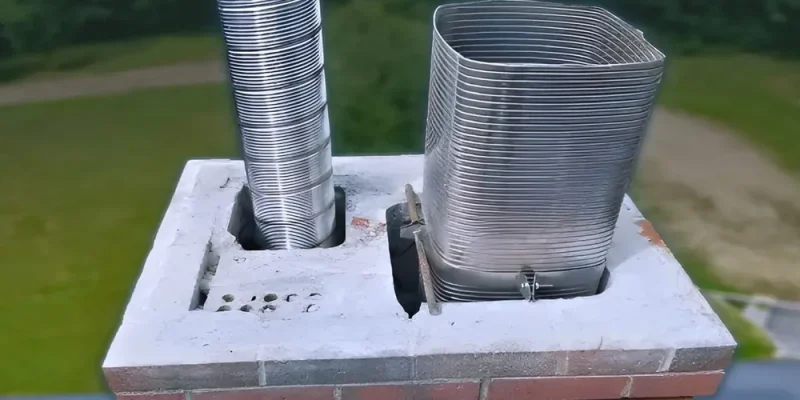
Your chimney does more than carry smoke away. Inside it sits a liner, a quiet protector that shields your home from heat, fumes and moisture. When it fails, the danger is real.
Most people never think about it until something goes wrong. By then, damage may already be spreading behind your walls. This guide explains the warning signs to watch for and when it is time to pick up the phone.
What Does a Chimney Liner Actually Do?
A liner is a tube that runs the full height of your flue. It can be made from clay tile, stainless steel or a cast-in-place material.
It has three main jobs:
- Keeping heat away from nearby timber and brickwork
- Guiding smoke and carbon monoxide safely outside
- Protecting masonry from acidic condensation
Without a sound liner, your chimney is working with one hand tied behind its back.
Why Minneapolis Homes Face Extra Pressure
Minnesota winters are harsh. Repeated freezing and thawing cracks clay tiles and weakens mortar joints. Many older Minneapolis houses also have original liners that are now decades old. Add heavy seasonal use, and wear builds up quickly.
If you are searching for chimney liner repair in Minneapolis, MN, the local climate is a good reason to act early rather than late.
Common Warning Signs of a Damaged Chimney Liner
Some signs are obvious. Others hide in plain sight. Here is what to look for.
Visible Signs
- Flaking or falling debris: Bits of tile or crumbled mortar in the firebox or grate often point to a cracked liner.
- Rust or corrosion: Stainless steel liners should stay clean. Rust suggests moisture or poor quality metal.
- Staining on walls or ceilings: Brown marks near the chimney breast can signal leaks or escaping fumes.
Performance Problems
- Smoke blowing back into the room: This may mean a blocked or collapsed flue.
- A strong, sooty smell: Odours that linger, especially in damp weather, deserve attention.
- Poor fire performance: If fires struggle to draw or burn badly, the airflow could be restricted.
Safety Alerts
A carbon monoxide alarm that sounds is never a minor matter. Leave the house, open doors if safe to do so, and call emergency services. Then arrange a full inspection before using the fireplace again.
The Hidden Risk: Creosote and Chimney Fires
Wood smoke leaves a tar-like residue called creosote. It builds up inside the flue and is highly flammable. A cracked liner gives it more places to collect and makes a chimney fire more likely.
Chimney fires do not always roar. Some burn slowly and quietly, leaving cracked tiles and warped metal. You might not notice until the next inspection.
When to Call a Professional
DIY fixes are tempting. Unfortunately, a liner is not something you can patch with a tube of sealant. Its job is too important.
Call a certified chimney sweep or technician if:
- You see cracks, gaps or missing sections in the liner
- You have had a chimney fire, even a small one
- You have recently changed your heating appliance, such as fitting a new stove or gas insert
- Water is leaking into the flue
- You are buying or selling a home and need a Level 2 inspection
A qualified professional will use a camera to inspect the whole flue. That is the only reliable way to see what is going on inside.
Repair or Replace? Understanding Your Options
Not every fault means a new liner. A professional may suggest:
- Resurfacing: A coating or cast-in-place system can seal minor cracks in tile liners.
- Partial repair: Damaged sections are replaced while sound ones stay.
- Full relining: A stainless steel liner is fitted for lasting protection, which suits older or badly damaged flues.
Costs vary with chimney height, liner material and the extent of the damage. Always ask for a written quote that covers materials, labour and any warranty.
How to Choose a Reliable Contractor
Look for credentials. Certification from the Chimney Safety Institute of America is a good sign. Ask about insurance, request local references, and be wary of anyone who pressures you into a quick decision. A trustworthy firm will show you the camera footage and explain what it means.
Prevention: Protect Your Liner for Longer
A few habits go a long way:
- Book an annual chimney inspection before winter
- Burn seasoned hardwood only
- Fit a chimney cap to keep rain and animals out
- Never burn rubbish or treated wood
Conclusion
A damaged liner rarely fixes itself. It grows worse with every fire, every frost and every season ignored. Watch for cracks, odours, smoke problems and staining, and act promptly when you spot them.
When in doubt, get it checked. A professional inspection costs far less than fire damage or a carbon monoxide emergency. Protect your home, protect your family, and book that visit before the cold sets in.






Comments